Current software feels restrictive

Your team has to adapt to the software, instead of having a system shaped around the actual workflow.
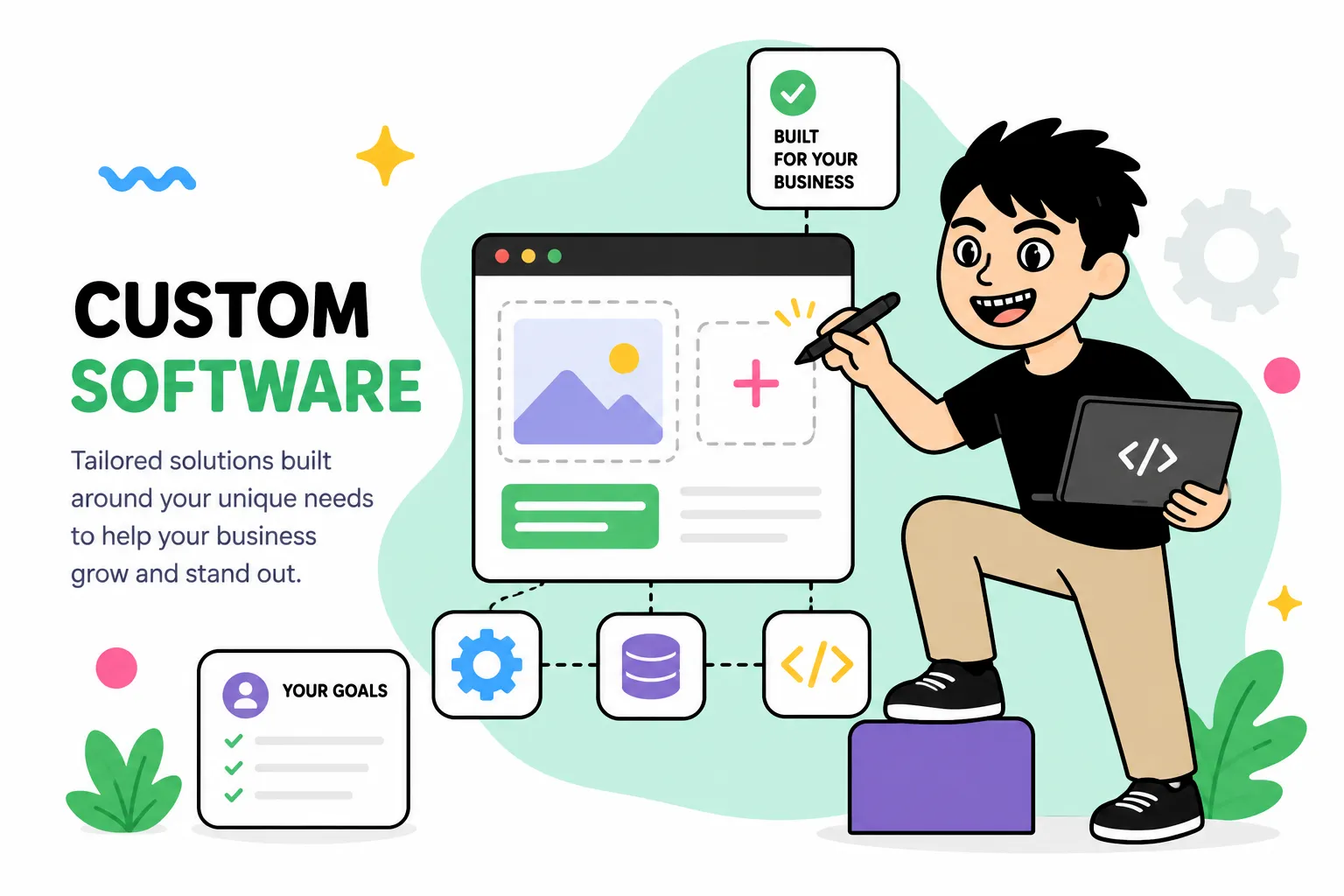
Turn your idea into a complete software product designed for your current needs and flexible enough to grow with the business later.
These usually appear when packaged tools stop fitting the real way the business needs to operate.
Your team has to adapt to the software, instead of having a system shaped around the actual workflow.
Files, chats, sheets and apps live in parallel but do not form one coherent operational system.
There is not enough system logic to clearly define who handles what and how a process moves from one stage to another.
Information needs to be entered, checked or transferred repeatedly across different steps.
Older or heavily patched systems often become hard to upgrade, maintain or safely expand.
Custom logic, special reports or internal process rules may be too specific for generic software products.
The Benefits
The system is built around your actual goals and workflow instead of forcing your team into someone else’s structure.
New modules, reports, user roles or business rules can be added without waiting for an external product roadmap.
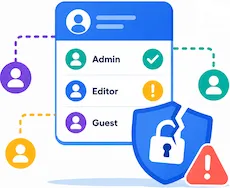
You can shape the interface, process, permissions and future integrations based on your own business logic.
A good custom system becomes an operational asset, not just a temporary tool.
Development process

What exactly needs to improve, and how is the business handling it today?
The first release should focus on the parts that matter most instead of trying to build everything at once.
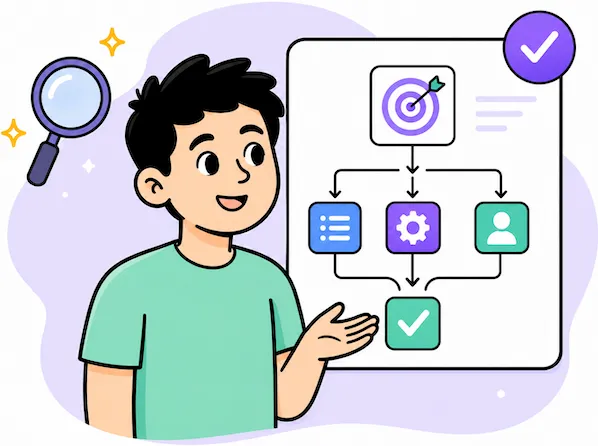
Screens, permissions, data flow and process rules are mapped before deeper implementation starts.
The system is developed iteratively so feedback can shape the right areas at the right time.
Once the system is live, it can keep evolving with new modules, AI use cases or operational improvements.
Before & after
When there is no system that truly fits the job, operational friction builds quietly over time. Once the software is designed around the actual problem, the way of working becomes clearer, more controlled and easier to sustain.
I focus first on the problem, the current process and the expected outcome before talking about architecture or stack.
A system becomes much more useful when the first version is scoped well instead of trying to solve every future idea immediately.
The aim is not just to deliver something that works today, but something that can still support change later.
Real usage reveals real improvement opportunities, so post-launch support is part of the quality of the work.
I prefer clarity around time, scope and budget instead of vague execution and uncontrolled drift.
The goal is not only to complete a project, but to remain useful as the business keeps evolving.
Case studies
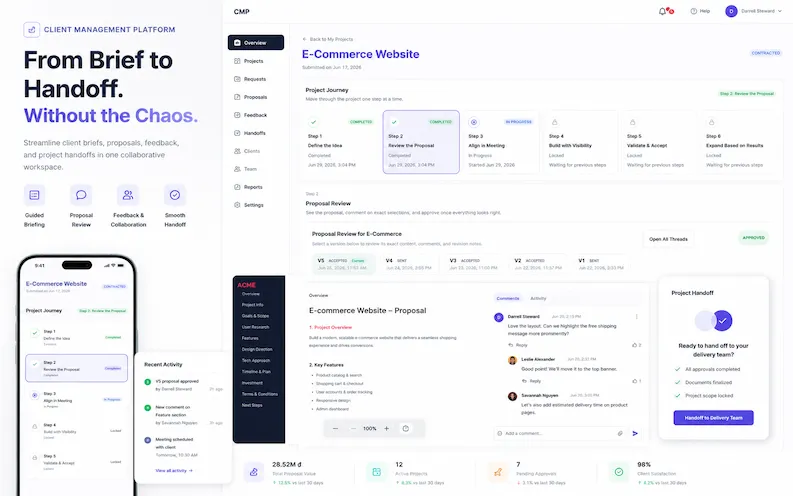
Brief intake, proposal workflow, feedback and internal handoff.
Open case study (VI)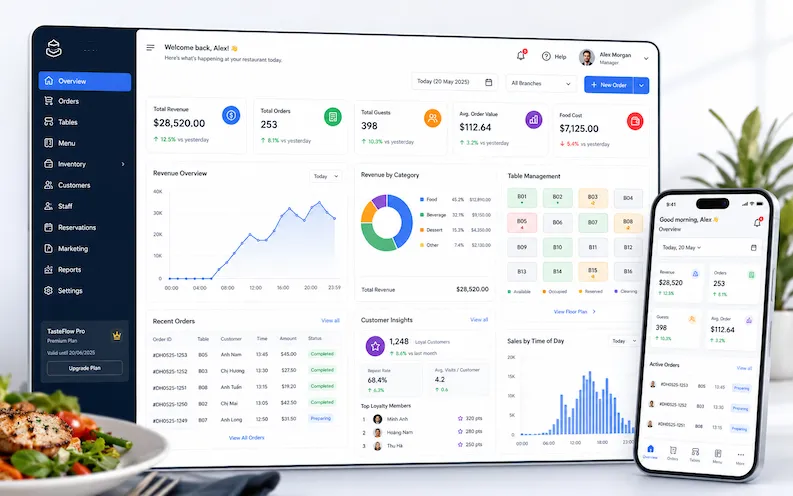
Dashboard, loyalty, reporting and operational control for a real business flow.
Open case study (VI)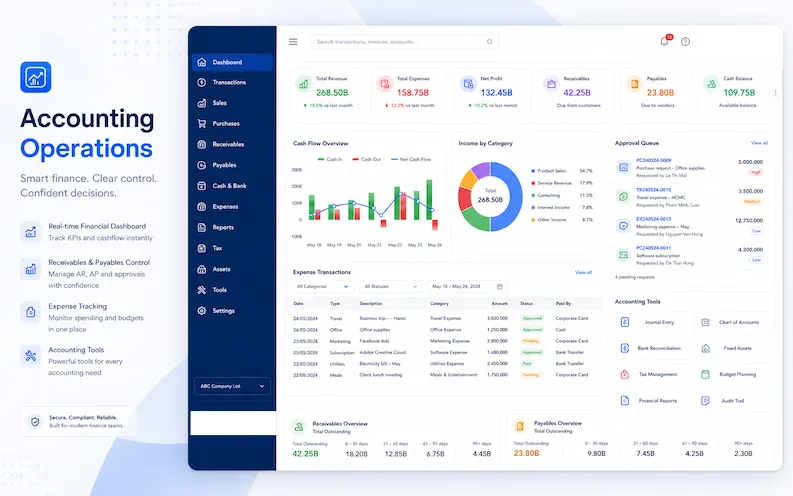
Internal process logic, operational visibility and business-side structure.
Open case study (VI)FAQ
If your workflow is too specific, too disconnected or too constrained by generic tools, a custom system is often worth considering.
No. In many projects, clarifying the real requirement is already part of the early delivery work.
Yes. A good custom system should make future expansion easier, whether that means more modules, more users or more automation.
Yes. Once the core system and data flow are clear, AI becomes much easier to add in the right place.

Contact
If existing tools are no longer flexible enough, I can help shape a more suitable direction.